Online slots that remember your last stake take the guesswork out of repeated sessions, and that matters when you are playing late in the arvo after a long shift. From a producing standpoint, I have seen operators launch bet memory as a convenience layer rather than a math hook, and the difference shows in how sessions actually behave. I have built and audited games where the same base reel set can feel completely different depending on how the stake history is surfaced, so I treat this feature as a session-management tool first and a novelty second. The right implementation keeps your settings visible, respects your bankroll limits, and never hides the real cost of a spin behind a memory gimmick.
When you first land on a slots with bet memory feature game, the memory layer usually sits in the stake panel rather than the main reel display. You set a base amount, run a few spins, then step away; when you return, the interface recalls that figure and asks whether you want to keep it, nudge it up, or drop it back down. I have consulted on titles where the recall defaults to the last active bet but leaves the max bet and min bet clearly labelled, which is the only way I would sign off on it. If a provider buries the remembered stake behind a second tap or mixes it with bonus toggles, that is a poor design call and players should treat it as a warning sign rather than a clever touch.
- Open the game and locate the stake control panel on the right or bottom rail, depending on the provider’s layout.
- Set your preferred coin value or coin range, then confirm the total bet shown before the first spin. Выплаты в мультихенд-блэкджеке: как оценить ставку
- Play a short session, then close the tab or switch tabs; the memory layer should hold that figure without asking you to re-enter it.
- Return later and check whether the recalled stake matches what you actually left on, not a rounded-up default.
- Adjust only if the remembered amount no longer fits your current session plan, and never let a remembered number talk you into a stake you would not have chosen fresh.
The math side of bet memory is where I draw a firm line. Remembering a stake does not change hit frequency, volatility, or return-to-player, and I have run simulations where the same game with memory on and off produced identical distribution curves over thousands of spins. What changes is the friction of re-entry, which can subtly affect how often players check their limits before spinning. In my experience, a well-built memory feature pairs with a visible balance display and a clear bet-per-line breakdown, so you can see exactly what you are committing before the next round. If the game only shows a total stake without breaking it down, or if the remembered value drifts after a bonus trigger, that is a design flaw that deserves a second look.
For an Australian player, the practical value of bet memory shows up in the details around account controls and session habits rather than in any promise of better outcomes. I have seen loyalty programmes where remembered stakes interact with daily loss limits and session timers, and that combination can be genuinely useful if the operator presents it honestly. A solid setup lets you set a deposit limit, review your remembered stake against that limit, and step back without the interface nudging you toward a higher figure. You should also check that support can see your stake history if you need to verify a session, and that your data is handled under a clear privacy policy rather than tucked into vague terms. If you want to compare how a remembered stake behaves in a different game structure, it is worth reading a short explainer on multihand blackjack payout rates before you assume the same memory logic carries across table and reel games.

Geelong locals who play in the evening often want a feature that saves a few taps without changing the game’s feel, and bet memory can do that when it is built cleanly. I would rather see a provider keep the recalled stake visible, let you override it in one move, and keep the max bet and min bet in plain sight than hide the detail behind animations. A practical session starts with a stake you would choose anyway, uses memory only to avoid re-typing, and ends with a clear check of your remaining balance and any limits you set. That is the kind of setup I would recommend to a friend who wants convenience without losing sight of the numbers. https://big-bass-splash-demo-au.com
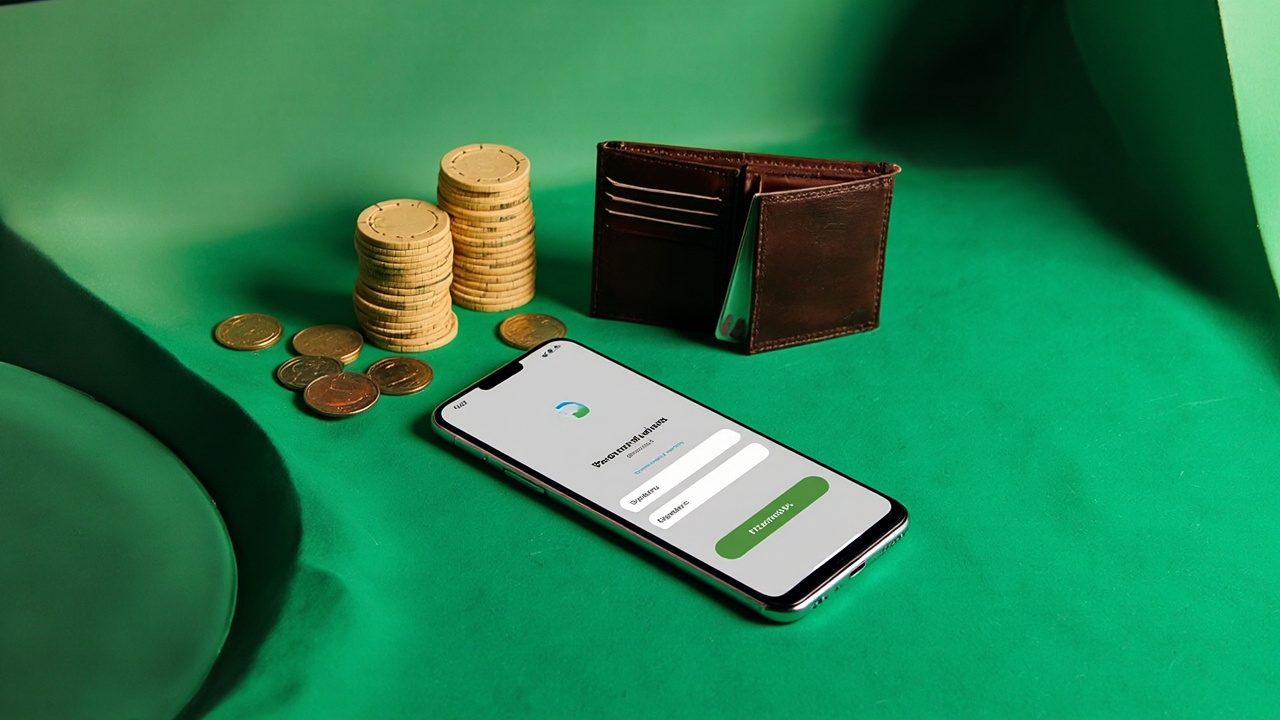
When a slots with bet memory feature game is done well, it simply reduces the small frictions that add up over a long session, and that is a real benefit for players who value control. I have produced and consulted on enough titles to know that the feature only earns its place when it stays transparent, respects your limits, and never pretends to influence the reels. If you are testing one out, treat the memory layer as a convenience setting, keep your stake and limits in view, and make sure the operator’s support and account tools are easy to reach before you commit to a longer run.